Studying in India

The reality for Malagasy students, honest perspectives from lived experience

Step 1
ICCR
Step 2
India
Step 3
Documents
Step 4
Mistakes
Step 5
Mentorship

You are currently: Understanding what life in India actually involves

What You Will Learn Here

  • Academic demands including attendance requirements, exam systems, and study workload
  • Daily life realities from accommodation and food to transportation and costs
  • Mental and emotional challenges you'll face and how to prepare for them

⏱️ Estimated reading time: 20 minutes

Academic Life

Studying in India is completely different from the education system in Madagascar. The academic demands are intense, structured, and unforgiving. This is not an exaggeration, this is daily reality.

Study Workload & Requirements

+

For engineering students, one semester often means reading six or more books, each with more than three hundred pages. These are not light reading materials. These are dense technical textbooks covering complex topics that you must understand, not just memorize.

You will have multiple assignments every week. You must fill laboratory manuals with detailed observations, submit reports on time, attend every class, and follow university rules without exception.

Attendance Requirements

+

Attendance is strictly monitored. You must attend at least 75% of all classes. If you fall below this threshold, you are not permitted to write the exam, no exceptions, no negotiations. One semester of missed attendance can cost you an entire year.

Examination System

+

Exams are long, comprehensive, and mentally exhausting. The exam period can last almost one full month. You will write theory exams covering everything taught during the semester, and practical exams testing your hands-on skills.

At Gujarat Technological University, we had two minor exams and one major exam periods per semester. Each exam covered multiple subjects, requiring simultaneous preparation across different technical domains.

The Positive Side

+

Despite the pressure, there are genuine benefits:

  • Most teachers are approachable, helpful, and willing to guide serious students
  • Books and learning materials are readily available and affordable
  • Internet access is cheap and available everywhere for research
  • Universities organize regular seminars, webinars, and guest lectures
  • You'll meet students from dozens of countries and build international networks
  • Laboratory facilities are modern and well-equipped for practical learning

Self-Check Question

After reading about academic demands, ask yourself:

Am I willing to study 6+ textbooks per semester, attend 75%+ of classes, and handle continuous assignments and exams?

Be honest. If academic pressure intimidates you now, it will overwhelm you there.

Living in Indian Cities

Urban Environment & Culture

+

Indian cities are busy, crowded, and loud. There is constant traffic, visible pollution, and noise that never seems to stop. Sometimes you will feel overwhelmed. Sometimes you will feel lonely despite being surrounded by millions of people.

But there are also moments of unexpected beauty. Historic architecture that takes your breath away. Modern infrastructure that rivals any developed nation. Cultural festivals that fill streets with color, music, and life.
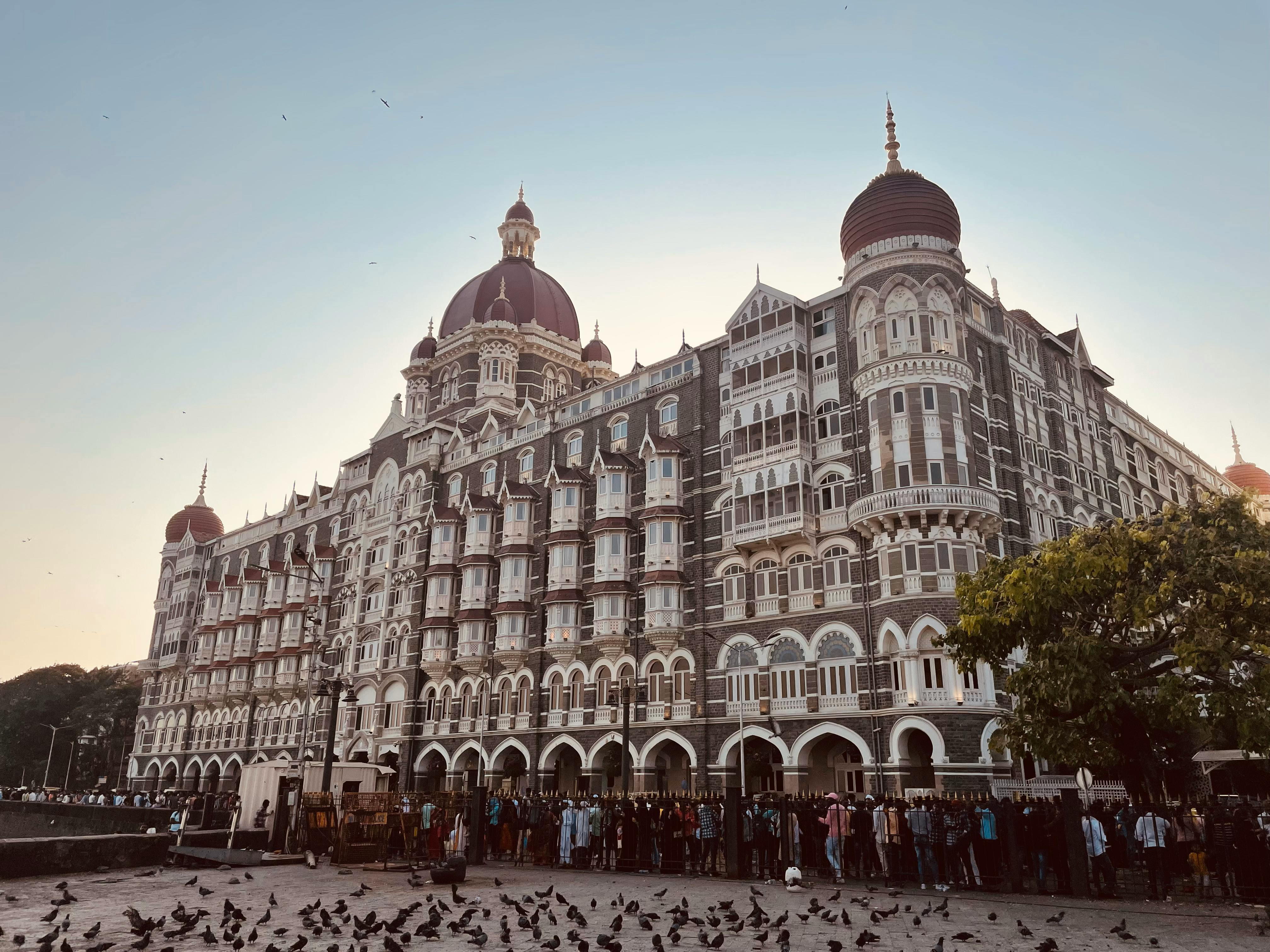

Taj Mahal Palace Hotel Mumbai
Sabarmati Riverfront at night

Transportation & Movement

+

India's transportation system is extensive, efficient, and surprisingly affordable. Public transport includes buses, metro trains, and auto-rickshaws. For longer distances, trains connect every major city. Uber and similar apps make local travel convenient.

Perhaps most surprising: domestic flights within India are remarkably affordable. Student passes make regular commuting very cheap.

Food & Daily Life

+

Indian food is very different from Malagasy cuisine; spicier, more diverse in flavors, and heavily vegetarian in many regions. However, food is incredibly affordable. A complete meal can cost less than 100 rupees.

The adjustment period can be challenging. Learning to appreciate Indian food becomes essential to both your budget and daily happiness.

Cost of Living Breakdown

+

Monthly Budget (Approximate)

  • Accommodation: ₹3,000 - ₹8,000 (hostel)
  • Food: ₹3,000 - ₹6,000
  • Transportation: ₹500 - ₹1,500
  • Internet/Mobile: ₹200 - ₹400
  • Study Materials: ₹500 - ₹2,000
  • Emergency Buffer: ₹1,000 - ₹2,000

Total: ₹8,700 - ₹23,900 per month

Mental Strength - The Most Important Section

This section is perhaps the most important, and the least discussed in official materials.

Loneliness & Homesickness

+

Loneliness is real. You will live thousands of kilometers from family. Video calls become your primary connection to home, but they can't replace physical presence.

Homesickness hits everyone. Some days, despite academic success and new friendships, you'll deeply miss Madagascar. This is normal and doesn't mean you've made a mistake.

Building Your Support System

+

This is crucial for survival:

  • Connect with other Malagasy students if possible
  • Build friendships with other international students
  • Join student clubs, sports teams, or hobby groups
  • Establish regular communication schedules with family
  • Find physical activities to manage stress
  • Identify one trusted person you can talk to during difficult times

When You Need Help

+

If you struggle mentally, seek help immediately. Most universities have counseling services. Depression and anxiety are medical conditions, not personal weaknesses. The sooner you address them, the better your academic performance and personal wellbeing will be.

Checkpoint: Are You Ready for Step 3?

Before continuing, confirm you understand:

  • Academic demands are intense (75% attendance, 6+ textbooks, continuous exams)
  • Living costs require careful budgeting (₹8,700-23,900/month)
  • Loneliness and homesickness are normal challenges
  • Building a support system is essential for mental health

If you understand these realities and still want to continue, you're ready to learn about document preparation.

Next Step